
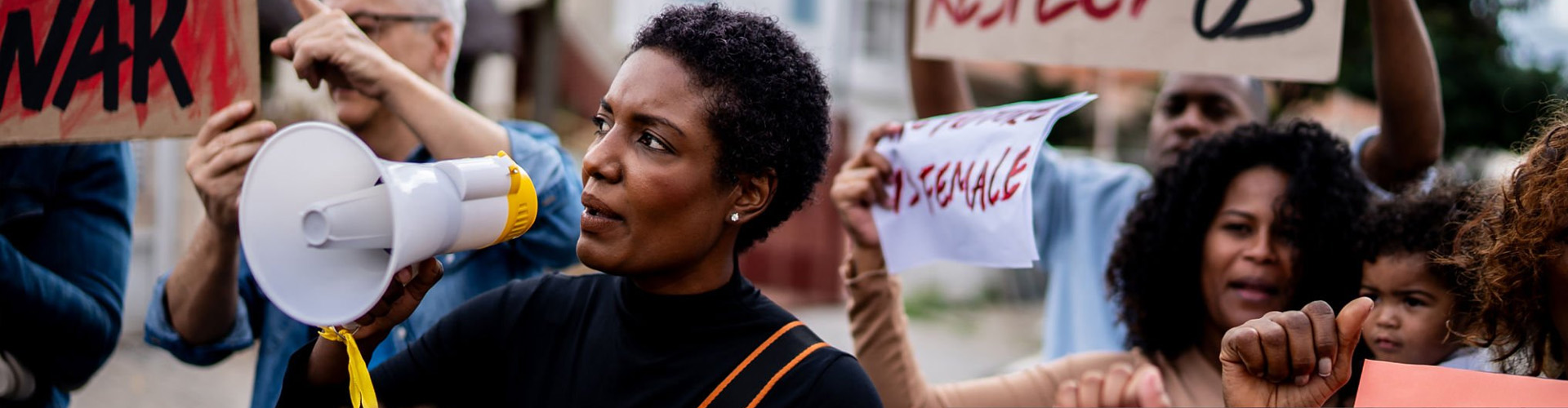
There isn’t one way through the Institute because there isn’t one kind of learner.
Come learn one thing. Follow an Institute pathway. Study with a particular practitioner or thought leader. Or build your own pathway around what you are trying to become capable of doing.
Learn canvassing, organizing, mobilization, field operations, community engagement, data, technology, artificial intelligence, communications, fundraising, organizational development, coalition building, leadership, research, strategy, facilitation, storytelling, or thought leadership. Or start somewhere completely different. Start with the problem you’re trying to solve, then figure out what you need to know to solve it. A pathway can take someone from understanding a field to practicing it, applying it, demonstrating competency, and eventually becoming capable of leading or teaching within it. The Institute gives structure to learning without pretending everybody needs to learn the same thing in the same order. Below are six pathways already built. Follow one exactly as designed, or use it as the starting point for your own.
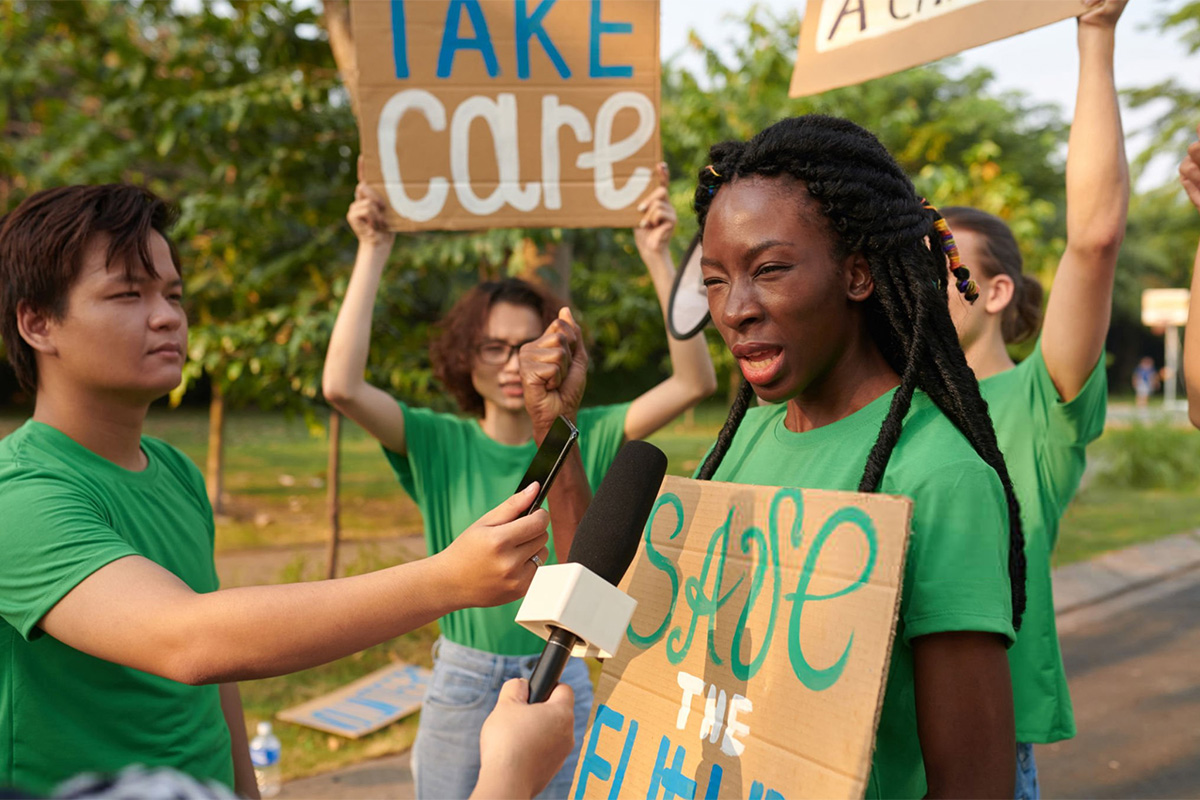
Community Canvasser → Field Leader
You start at the door. You end up running the operation.
Build the ability to have effective conversations, understand the field, use data, manage follow-up, deploy people, and eventually lead a field operation.
Capability gained: consistent, effective field conversations; targeting, turf, and community mapping; the infrastructure to turn a single contact into a relationship; and the ability to recruit, train, deploy, and coach a field team. Applied experience: run a turf, manage a canvass shift, coach a new canvasser through their first conversations. Where it can lead: field director, canvass management, Institute field instructor, or straight into a Street Angels Lab built around turnout or field capacity.
Volunteer → Community Organizer
You showed up once. This pathway is how you become the reason other people keep showing up.
Move from participating in the work to developing other people and organizing collective action.
Capability gained: the fundamentals of organizing people around shared interests; a repeatable volunteer recruitment engine; the ability to expand a base beyond an organization’s existing network; leadership development; power mapping; and full campaign strategy. Applied experience: recruit and develop a volunteer into a leader, build a base-building push, construct a power map for a live issue. Where it can lead: lead organizer, campaign manager, Think Tank contributor on organizing and power-building problems.
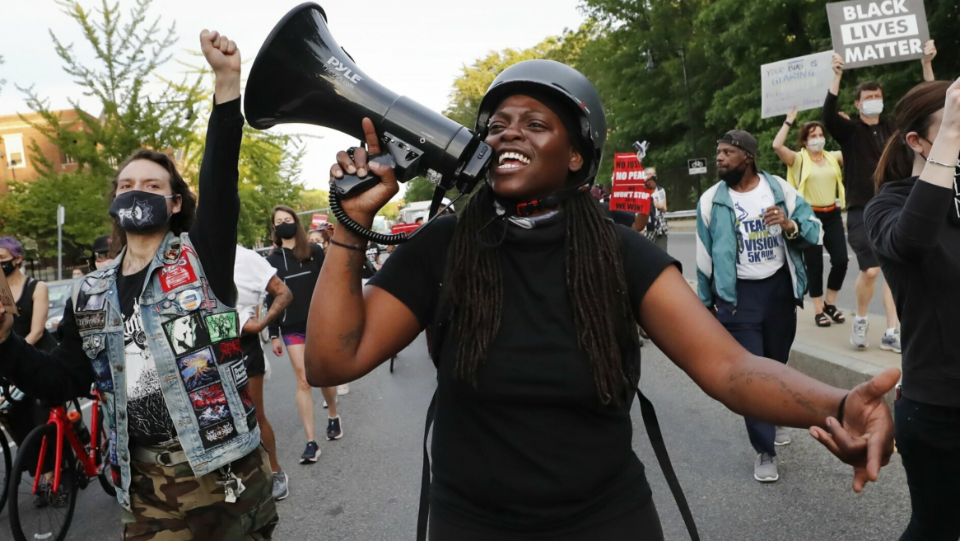
Mobilization + Engagement Strategist
Interest isn’t turnout. This pathway builds everything in between.
Build the infrastructure required to find people, communicate with them, move them into action, and keep them involved.
Capability gained: turnout strategy and mobilization systems; converting concern into committed action; messages and narrative that actually move people; turning digital communities into organizing communities; recruitment; and retention. Applied experience: design and run an activation campaign, build a retention system for an existing volunteer base, test messaging against a real audience. Where it can lead: mobilization director, digital organizing lead, or a Lab built around a turnout or retention problem.
Community Problem Solver
This pathway doesn’t end in a certificate. It’s built to end in a Lab.
Learn how to understand a community problem before attempting to solve it, bring the right people around it, develop an intervention, test it, and measure what happens.
Capability gained: community research and listening; ecosystem mapping to see the whole field before building something new; stakeholder strategy; community data fundamentals; disciplined experiment design; and measurement that proves what actually changed. Applied experience: this pathway is built to move directly into a Street Angels Think Tank, and from there into a Street Angels Lab, around a real problem a community or organization has brought to the Institute. Where it can lead: problem-solving lead, Think Tank convener, applied community researcher.
Organizational Capacity Builder
Somebody has to build the engine while everyone else is out running it.
Develop the skills needed to strengthen organizations behind the work rather than simply adding more work.
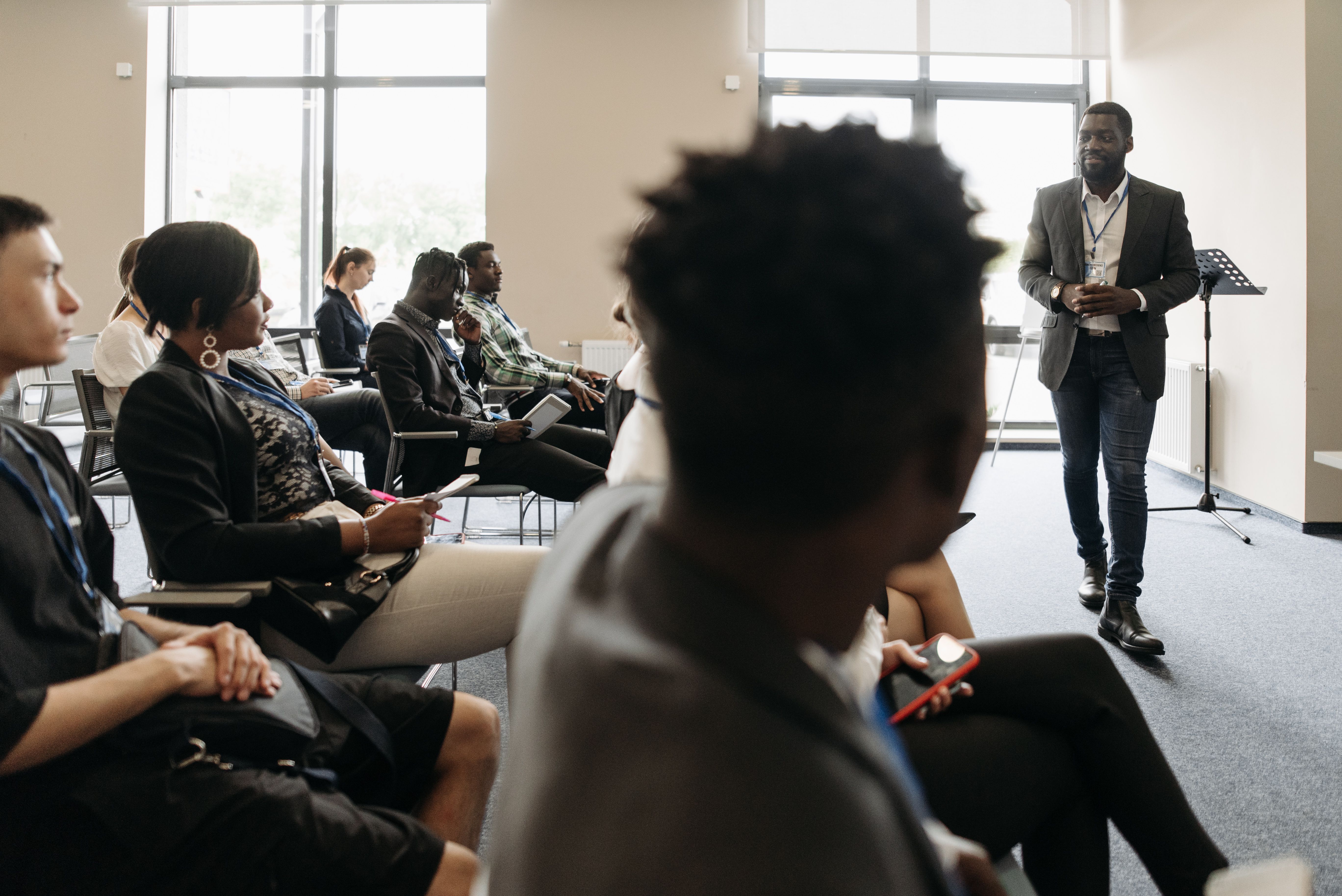
Capability gained: translating mission into priorities and execution; facilitation that produces decisions instead of wasted time; measurement; technology infrastructure chosen for the actual problem; funding readiness and a healthier revenue mix; and sustainable, distributed leadership. Applied experience: redesign an internal operating process, build a funding-readiness plan for a real organization, run a Lab around an internal capacity problem. Where it can lead: operations lead, executive director track, capacity-building consultant to other organizations in the network.
Practitioner → Instructor → Thought Leader
You know something. This pathway is how it becomes a body of work.
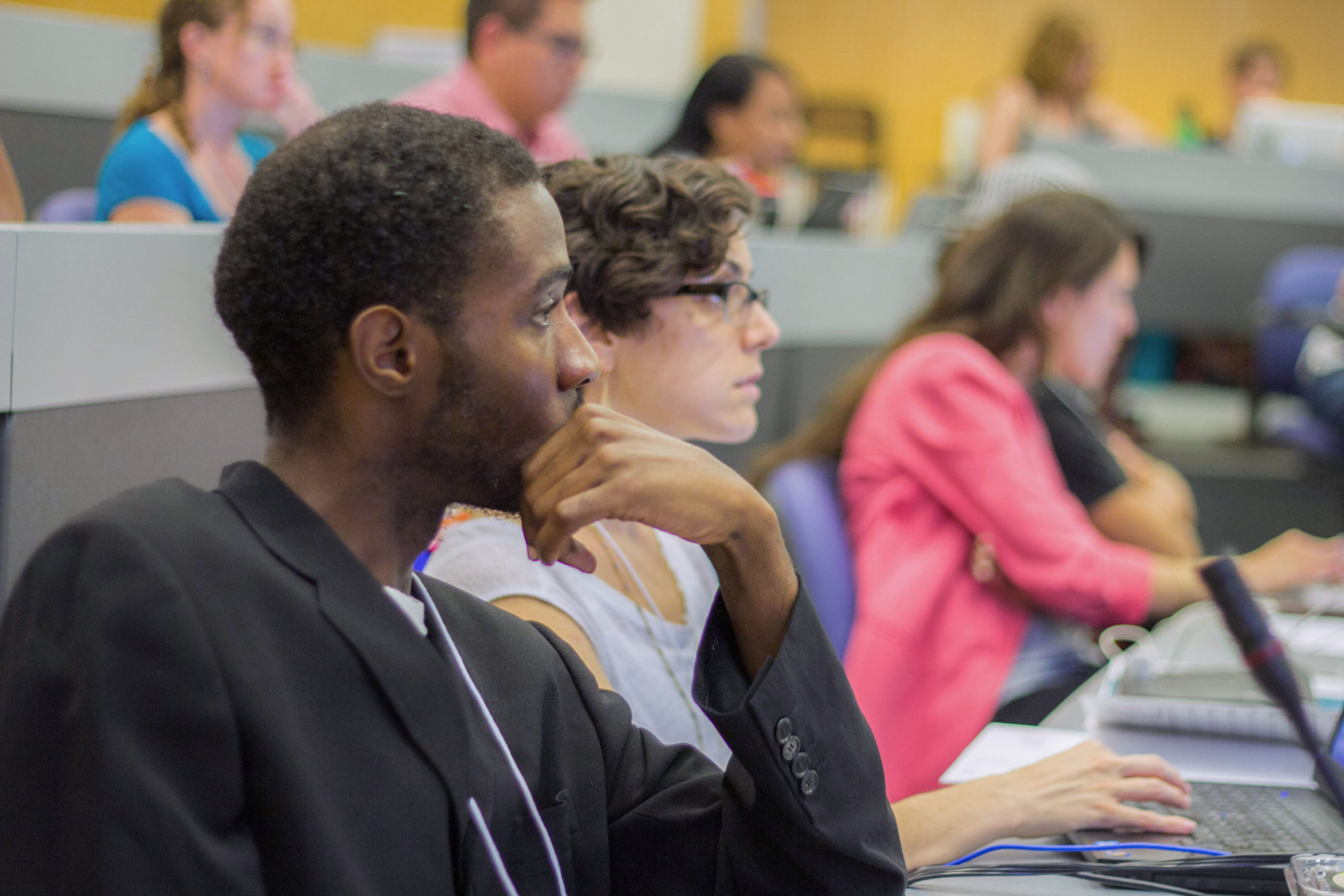
Turn experience into transferable knowledge and build a body of work around what you know.
Capability gained: identifying the knowledge buried inside your own experience; methodology development; curriculum design; facilitation and documentation; measurement; and thought leadership. Applied experience: teach a course, lead a Lab, publish a case study, contribute directly to the official Institute curriculum. Where it can lead: Institute instructor, methodology author, recognized expert with a documented body of work.